


The performance of a building often depends on what sits beneath it. While most attention goes to finishes and structure, moisture problems usually start below the slab.
That is where a 6 mil vapor barrier or thicker material comes into play. It helps stop moisture, soil gases, and air movement before they enter the building.
However, not all vapor barriers perform the same. Thickness, durability, and installation conditions all impact long-term performance.
⚠️ Important: Moisture-related failures often appear months or years later. Repairs at that stage are costly and disruptive.
Why Install a 6 Mil Vapor Barrier?
Concrete is porous. As a result, moisture and gases move through it unless a barrier blocks them.
A 6 mil vapor barrier can help reduce this movement in lower-risk environments.
- Reduces ground moisture migration
- Limits radon and methane gas entry
- Improves energy efficiency
- Supports basic code compliance in some applications
Related: Why install an underslab vapor barrier?
Where Is a 6 Mil Vapor Barrier Used?
Residential Applications
- Garage slabs without finished flooring
- Utility spaces or sheds
- Low-moisture regions
Commercial Applications
- Temporary structures
- Non-critical slab applications
- Projects with minimal moisture exposure
📘 Code Reference: The 2021 IRC and ACI 302.1R recommend 10 mil or thicker for most permanent slabs. A 6 mil vapor barrier may not meet modern requirements in many projects.
6 Mil Vapor Barrier vs 10+ Mil Options
6 Mil Vapor Barrier – Pros and Cons
Pros:
- Lower cost
- Lightweight and easy to install
- Suitable for temporary or low-risk use
Cons:
- Tears easily during installation
- Lower puncture resistance
- Often does not meet current code requirements
Best Use Cases:
- Temporary moisture protection
- Projects without strict compliance requirements
- Low-traffic installations
10–20 Mil Vapor Barrier – Pros and Cons
Pros:
- Higher durability
- Lower permeability
- Meets ASTM E1745 Class A standards
- Better long-term performance
Cons:
- Higher upfront cost
- Heavier to handle
⚠️ Contractor Insight: Most failures happen during installation. Thin materials like a 6 mil vapor barrier often tear before the slab is poured.
What Defines a High-Performance Vapor Barrier?
ASTM E1745 defines performance standards for vapor barriers used under slabs.
- Permeance: ≤ 0.1 perms
- Tensile strength: ≥ 45 lb/in
- Puncture resistance: ≥ 2200 grams
Learn more: Underslab vapor barrier resources
💡 Pro Tip: Always confirm ASTM compliance. Thickness alone does not guarantee performance.
Recommended Vapor Barrier Products
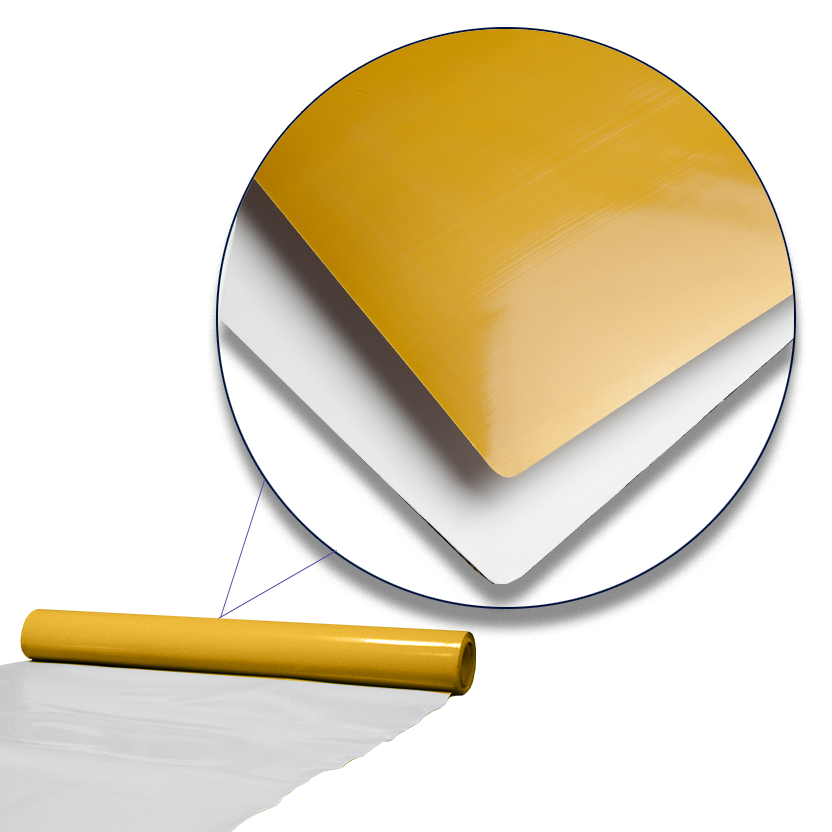


💡 Need help choosing? We can help you compare a 6 mil vapor barrier vs higher-performance options based on your project.
Frequently Asked Questions
Is a 6 mil vapor barrier enough?
It can work in low-risk environments. However, most modern projects require thicker materials.
Why do contractors avoid 6 mil?
It tears easily and often fails during installation.
When should I upgrade to 10 mil or higher?
Use thicker materials for finished spaces, commercial projects, or high-moisture environments.
Trusted by Builders, Growers, and Distributors
Americover supplies durable vapor barrier solutions designed for real jobsite conditions.
📞 Call 760-388-6294 or contact us to get started.