
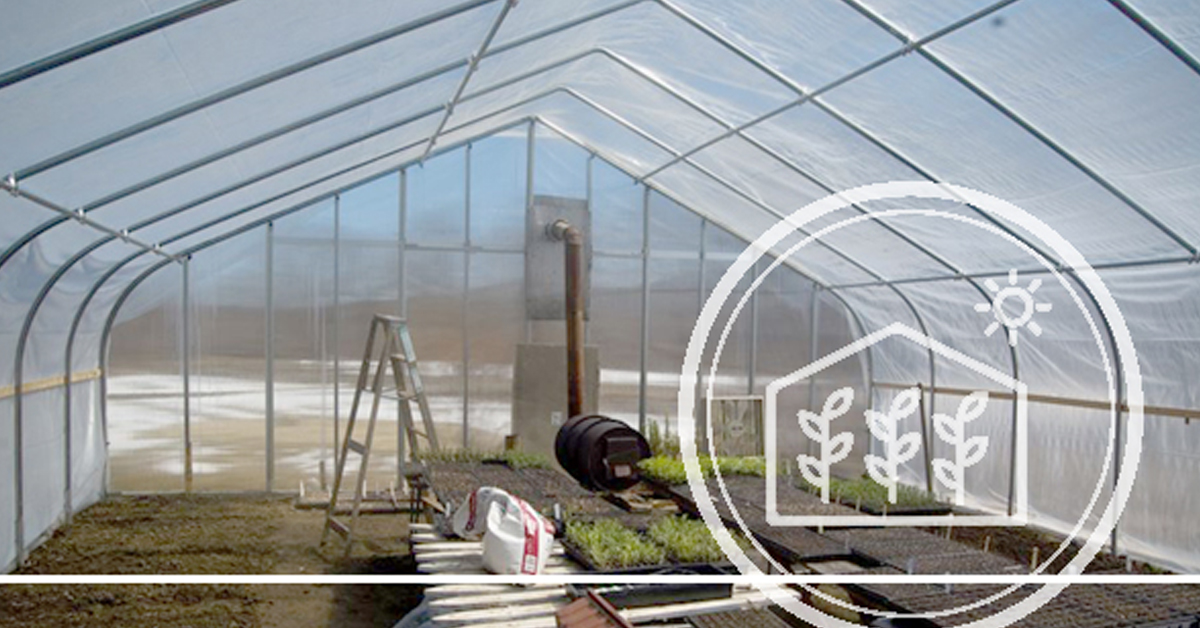
The key to any successful greenhouse is a proper ventilation system. Ventilation systems serve four key functions: air circulation, CO2/oxygen replacement, humidity control, and temperature control. The main job of a ventilation system is to remove warm, moist air and replace it with drier air.
High humidity causes unwanted condensation and increases disease and mold in your plants. For this reason, proper ventilation is essential to a healthy grow environment.
🌱 Key phrase to remember: Proper ventilation is the foundation of a productive greenhouse. Everything else — light, water, nutrients — depends on it.
Why Proper Ventilation Is Critical for Greenhouse Plant Health
Good airflow creates the balanced environment plants need to photosynthesize. All plants require carbon dioxide to produce the sugars they use as food. Without strong airflow, your plants won’t have the CO2 they need to thrive.
Plants naturally transpire moisture as they breathe. When growers don’t maintain balanced humidity, excessive moisture from the plants builds up quickly. This leads to mold, mildew, fungus, and other growths that can damage or kill your crops.
Regardless of the type of greenhouse or greenhouse covers you use, proper ventilation prevents these problems from taking hold.
⚠️ Watch out for moisture buildup: Mold and mildew can take hold within 24–48 hours in a poorly ventilated greenhouse. Consistent airflow is your first and most effective line of defense.
Common Misconception: Do Breathable Covers Replace Ventilation?
Many growers believe that a breathable greenhouse cover eliminates the need for a ventilation system. This is a costly misconception — in both time and money.
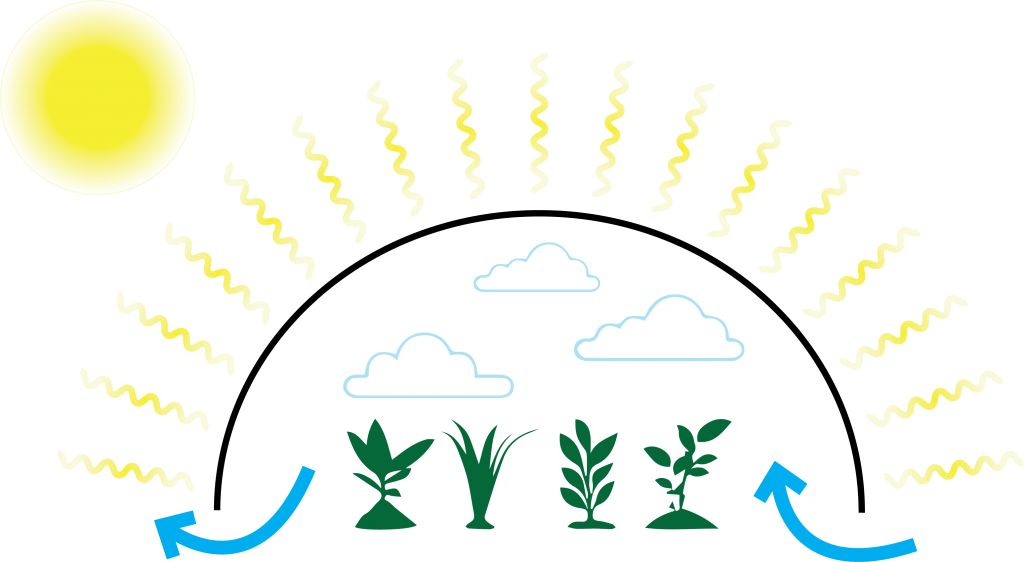
A proper ventilation system is always necessary to prevent overheating and moisture buildup. Greenhouses work by simulating the “greenhouse effect”: solar radiation enters as light and converts to heat. Without ventilation, that trapped heat — combined with CO2 from the plants — creates humid, moist air that sabotages plant growth.
💡 Bottom line: No cover material replaces active ventilation. Breathable covers help — but they work alongside a ventilation system, not instead of one.
Types of Greenhouse Ventilation Systems: Passive vs. Mechanical
Two main ventilation systems exist for greenhouses: passive ventilation (natural) and mechanical ventilation (machine powered). The right choice depends on the size and type of your greenhouse.
Mechanical Ventilation
Mechanical ventilation uses exhaust fans and other powered devices to move air and control circulation. This system works best for larger commercial greenhouses where natural airflow alone isn’t sufficient.
Passive Ventilation
Passive ventilation suits smaller greenhouses well. Hot air rises naturally and exits through roof vents, drawing in cooler fresh air from below. This process requires no power and works effectively when growers position vents correctly.
Vent Placement Tips
Always keep vents open during warm weather. Place them near or on the roof to allow heat to escape. Add several vents near the base of the greenhouse perimeter to enable cross ventilation.
Cross ventilation works like this: cool fresh air enters through the bottom vents, flows across the greenhouse, and exits through the top vents — carrying excess heat out and delivering a fresh supply of CO2 to your crops.
🔁 Cross ventilation in action: Cool air in at the bottom. Warm air out at the top. Fresh CO2 delivered continuously. This simple airflow pattern makes a dramatic difference in crop health.
What Is Light Deprivation and How Does It Work?
Light deprivation — also known as “light dep” — is a technique growers use to trick plants into flowering year-round by blocking sunlight. Light dep works several different ways depending on the grower’s budget and crop size.
Choosing the right light dep method can feel overwhelming with so many options available. Two of the most common films are panda film and BOLD® — but they differ significantly in quality.
Panda Film vs. BOLD®
| Feature | Panda Film | BOLD® |
|---|---|---|
| Light Blocking | Yes | Total blackout |
| Tear Resistance | No scrim layer | Yes — scrim reinforced |
| UV Resistance | Limited | Yes |
| Heat Reflective | No | Yes |
| FDA Compliant | No | Yes |
| Lifespan (full exposure) | ~1 year | Up to 2 years |
| Cost | Slightly lower upfront | Higher value long-term |
BOLD® delivers total darkness throughout the rigorous daily covering and uncovering of the grow season — a demanding task that most films cannot handle.
🌑 Why BOLD® stands out: Most light dep films fail from the daily physical stress of covering and uncovering — not just UV exposure. BOLD®’s scrim reinforcement handles that wear far better than panda film.
Trusted by Growers, Builders, and Distributors
Americover is the smart source for polyethylene and plastic sheeting. Contractors and distributors across construction and agriculture industries trust our American-made products for their reliability, quality, and innovation.
Every Americover customer receives the support of a dedicated account manager. Our team simplifies the ordering process and finds the best solution for every project. Our knowledgeable staff answers questions and fulfills orders Monday–Friday, 7:30am-4:30pm Pacific Time.
📞 Call us at 760-388-6294
📧 Email us at sales@americover.com