
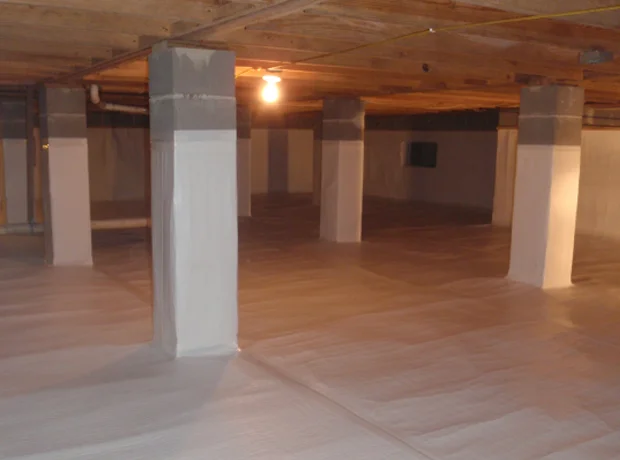
In most cases, crawl space vapor barriers should be at least 12 mil thick. However, the right thickness depends on your floor conditions, how often the crawl space will be entered, and whether it will be used for storage. The minimum 6 mil is inadequate if the floor has rocks, roots, or concrete chunks.
Below, we cover everything you need to know to make the right choice — and how to purchase the correct vapor barrier for your project.
Why Crawl Spaces Are Prone to Moisture Problems
Crawl spaces beneath houses are usually vented. This means they have small openings to let air pass freely between the crawl space and outside. However, vents are not the primary source of moisture problems.
Moisture lives in the ground soil beneath the house. In general, vents do a poor job of circulating air. In humid climates, this becomes especially damaging. Moisture-laden air enters the crawl space and condenses on cool pipes and concrete walls. This promotes mold, fungus, mildew, and bacteria.
Fortunately, vented crawl spaces can be sealed or encapsulated with the proper installation of a crawl space vapor barrier.
What Is a Vapor Barrier?
A vapor barrier serves as a protective layer between the ground and the interior of your home. Its main purpose is to prevent moisture from seeping into the crawl space. Left unchecked, that moisture leads to structural damage, mold, and exposure to harmful gases such as radon.
Related Article: Radon Vapor Barrier: Where Does It Go in a Radon Mitigation System?
Why Install a Crawl Space Vapor Barrier?
Beyond moisture and mold prevention, crawl space vapor barriers offer several important benefits. First, sealing your crawl space keeps rodents, bugs, and pests out of your home. Moisture creates a hospitable environment for unwanted guests. If left unaddressed, it can destroy your subfloor — and ultimately your foundation.
Second, repair costs for a damaged crawl space can be significant. That makes a vapor barrier one of the smartest preventive investments you can make. Third, sealing an open crawl space also delivers meaningful energy savings by reducing heat and cooling loss.
💡 Not all vapor barriers are equal. Depending on your situation, you may need different levels of mil thickness and perm rating. Read on to understand both.
How to Choose the Right Crawl Space Vapor Barrier
What Is Mil Thickness?
Mil thickness determines the durability and puncture resistance of your vapor barrier. One mil equals 0.001 inches of thickness. Residential building codes often require a 6 mil (0.006-inch) minimum.
However, 6 mil is not always enough. If your crawl space has fine soil and little foot traffic, 6 mil may work. On the other hand, if you have sharp rocks, plan to store items there, or need to maintain equipment, a thicker barrier is the better choice.
Standard thicknesses range from 6 mil to 20 mil. Most Americover customers opt for at least 8 mil to ensure long-term durability. For a personalized recommendation, contact our product experts to discuss your specific needs.
What Is a Perm Rating?
A perm rating measures how readily water vapor passes through a material. The lower the perm rating, the less permeable the material. To classify as a vapor barrier, a material must have a perm rating of 0.1 or below.
Americover vapor barriers at 6 mil and thicker meet this minimum at 0.06 perms. That said, a thicker material provides additional protection — especially in high-humidity or high-traffic crawl spaces.
What Affects the Cost of a Crawl Space Vapor Barrier?
Four main factors determine how much you’ll spend:
Permeability
Thicker barriers have lower permeability and resist moisture more effectively. They also cost more. In most cases, the added protection is worth the investment.
Ground Conditions
Rocky or uneven soil requires a thicker, more durable barrier. High-traffic crawl spaces face similar demands. A stronger material costs more upfront — but protects far better in the long run.
Virgin vs. Regrind Poly
Not all poly sheeting of equal mil thickness performs the same. Hardware store poly often uses recycled “regrind” material. Regrind can contain dirt and other contaminants that compromise quality and longevity. Virgin resin poly, like Americover’s products, delivers consistent performance throughout.
Total Area
The larger the crawl space, the higher the material cost. One way to manage costs is to use thinner poly — such as 6 mil or 8 mil — on the walls, while using a thicker poly on the floor where wear and puncture risk are highest.
Related Article: How Much Does a Crawl Space Vapor Barrier Cost?
⚠️ Remember: A single tear or puncture in your vapor barrier allows moisture to pass through. Choose the right thickness for your conditions — and protect it during installation.
Compare Crawl Space Vapor Barrier Products
Every project is unique. Use the product comparison chart below to find the vapor barrier best suited to your situation:
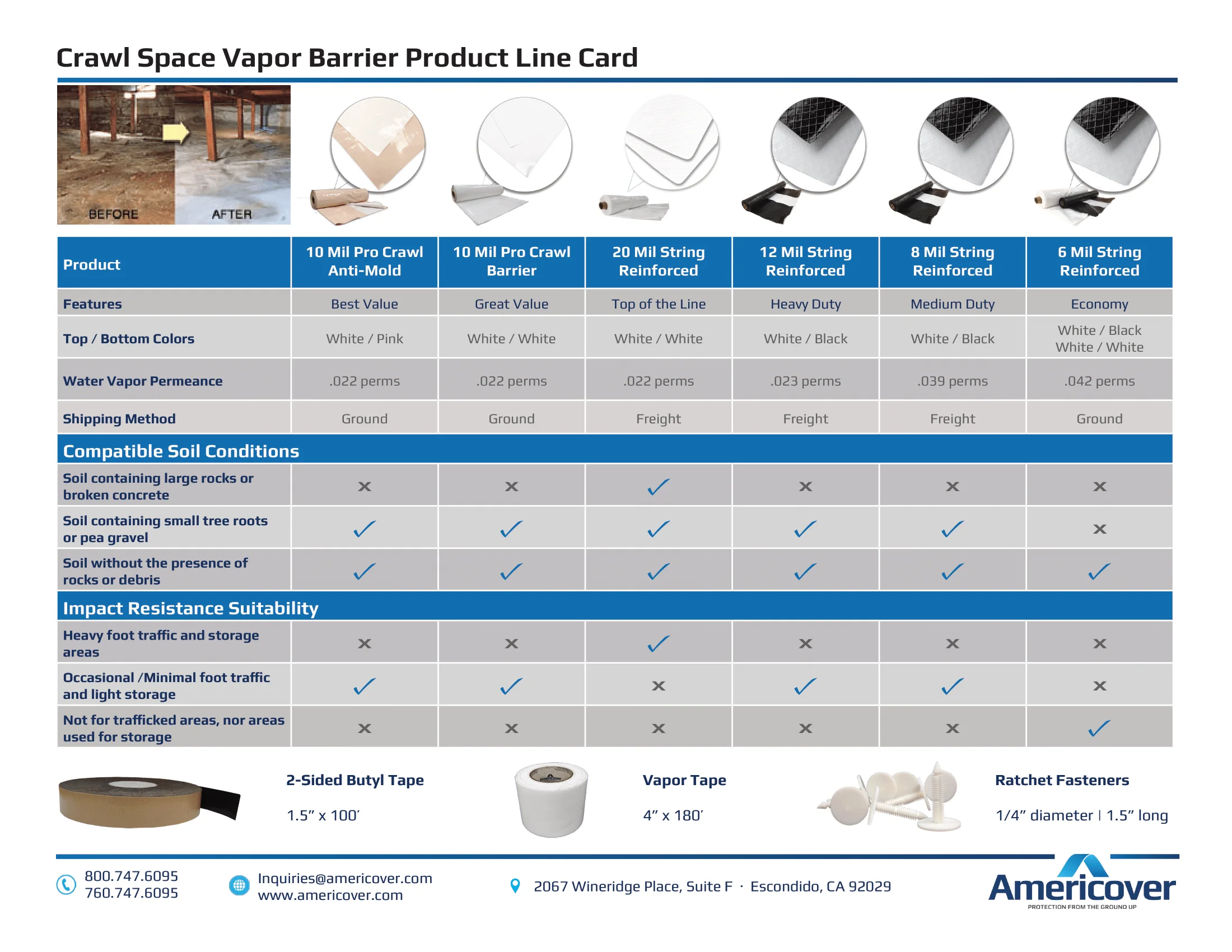
Generally, if the crawl space will be entered regularly for maintenance — or used for storage — start at 12 mil or thicker. The 6 mil minimum is inadequate on rocky or debris-covered floors.
| Image | Product | Key Features | Shop |
|---|---|---|---|
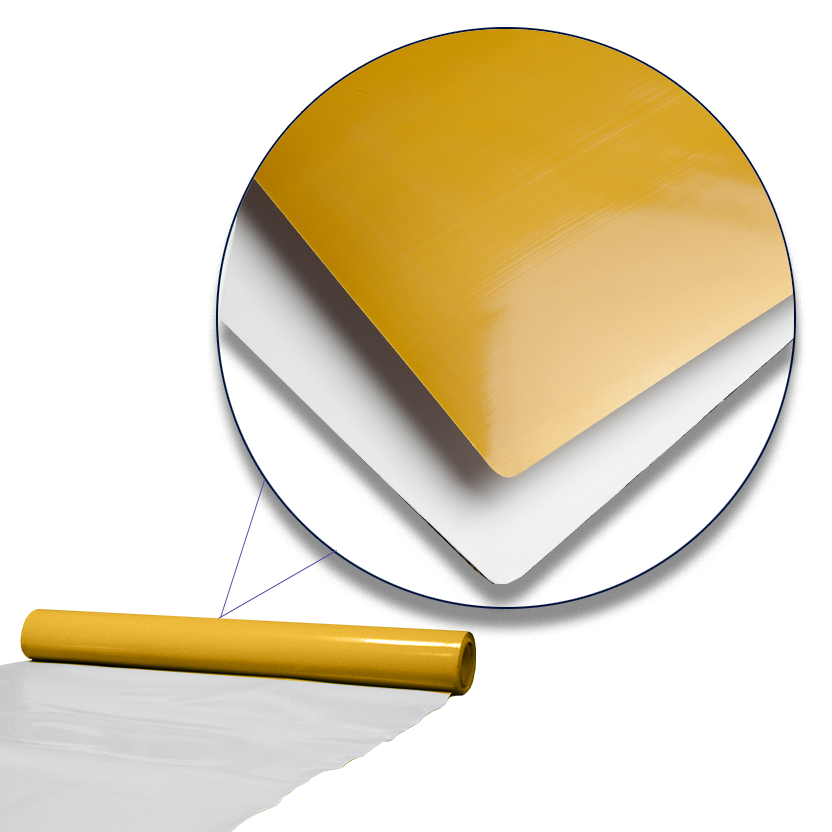 |
VaporBlock® Plus™ — 20 Mil | One of the strongest vapor and gas barriers available. Exceeds ASTM E-1745 Class A, B, and C standards. Engineered to block radon and other harmful soil gases. | Shop → |
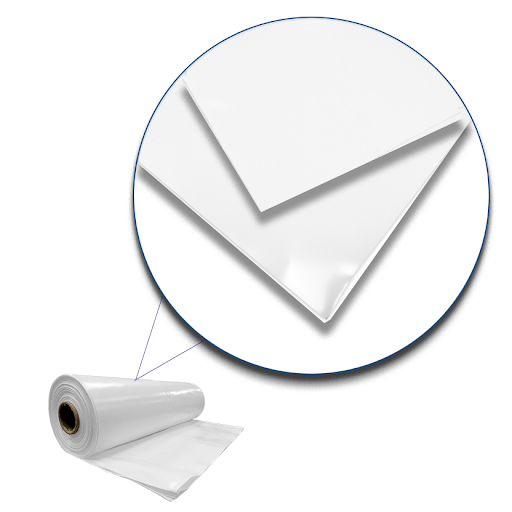 |
Pro Crawl™ Barrier — 10 Mil | Reinforced Class 1 vapor retarder. Balances strength and flexibility. Ideal for moisture control over dirt floors and uneven surfaces. | Shop → |
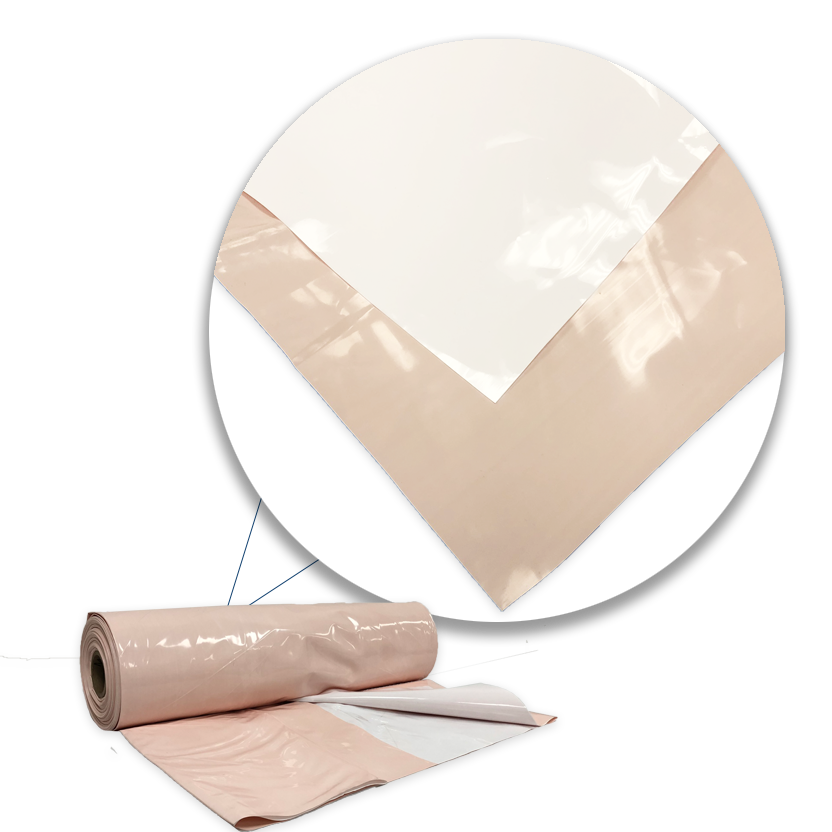 |
Pro Crawl™ Anti-Mold — 10 Mil | Class 1 vapor retarder with built-in mold prevention. Ideal for high-humidity environments and long-term protection. | Shop → |
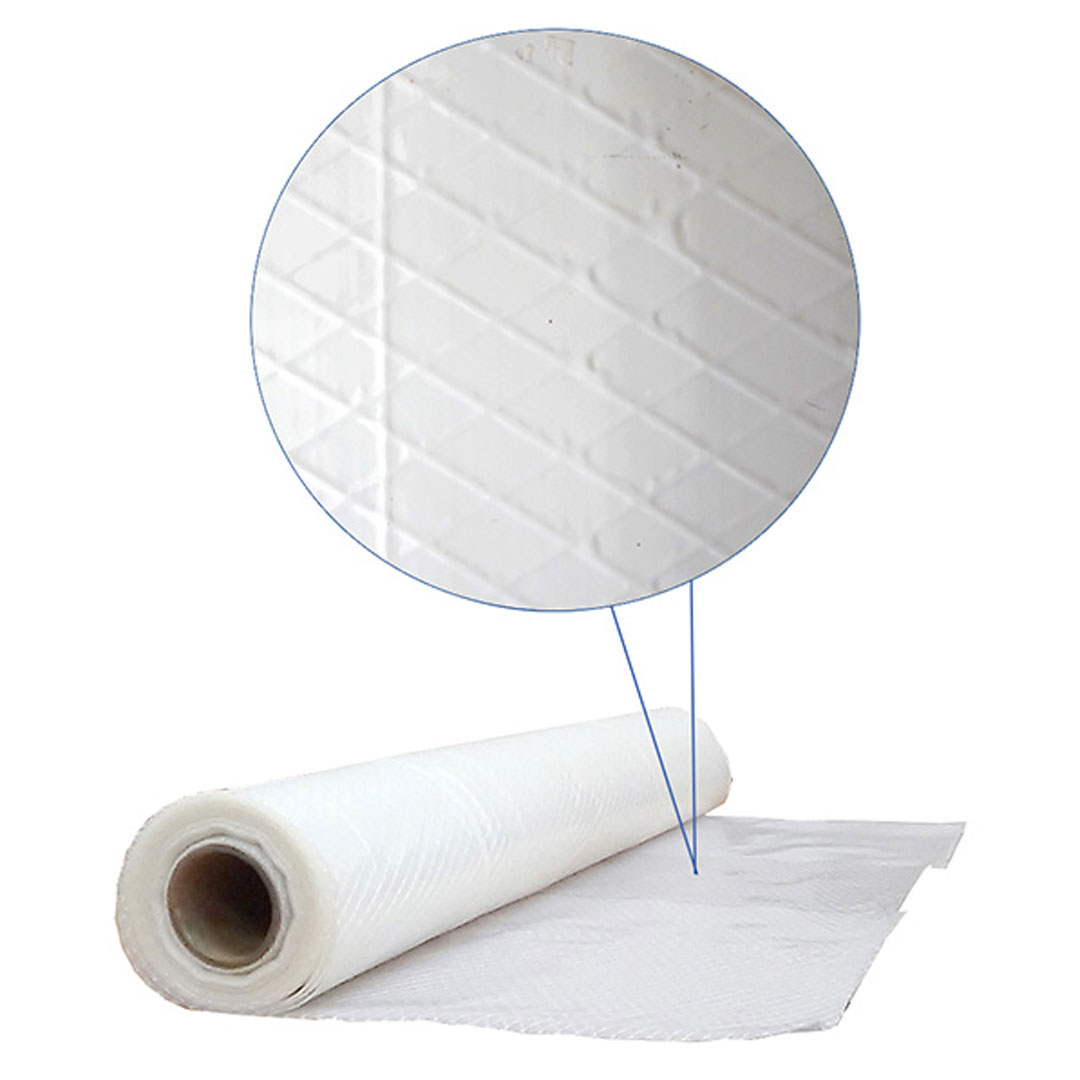 |
20 Mil Dura Skrim® Reinforced Sheeting | Multi-layer reinforcement for the most demanding applications. Ideal for under-slab vapor barriers, liners, and heavy-duty construction. | Shop → |
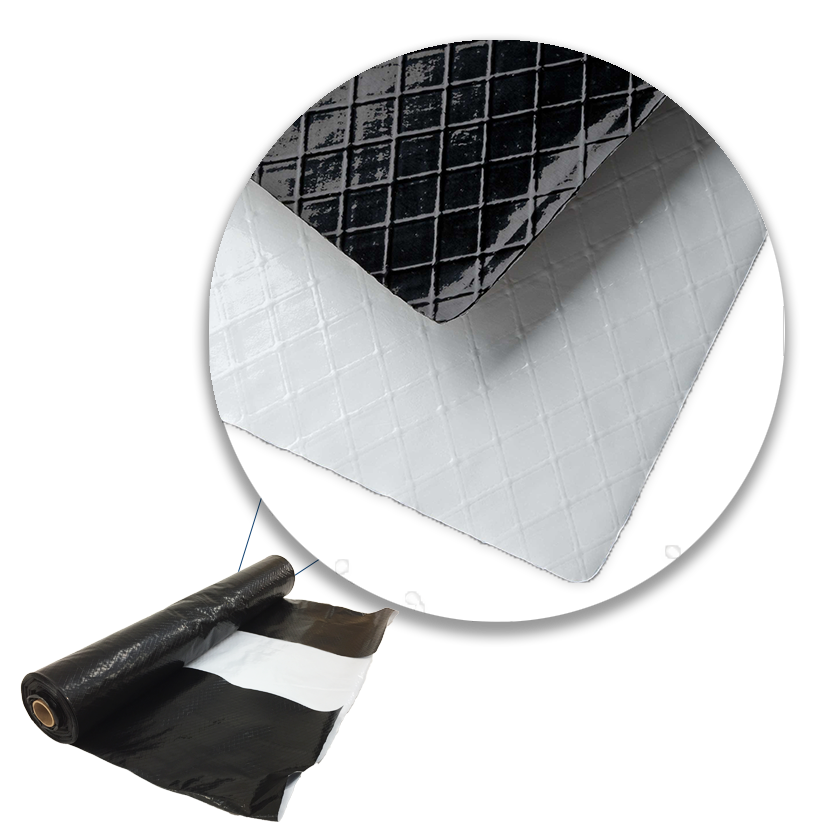 |
12 Mil Dura Skrim® Reinforced Sheeting | Reliable puncture resistance and reinforcement without excess bulk. A go-to for crawl spaces, temporary enclosures, and light construction use. | Shop → |
Seal the Job with Vapor Barrier Tape
Tape is an essential part of any vapor barrier installation. It overlaps panels and seals the material to walls, piers, and other structural elements. Without the right tape, even the best vapor barrier can fail at the seams.
Americover offers high-performance tapes designed specifically for vapor barrier applications. Whether you need an aggressive adhesive for tough substrates or a flexible option for panel overlaps, the right tape ensures a long-lasting, airtight seal.
| Image | Product | Key Features | Shop |
|---|---|---|---|
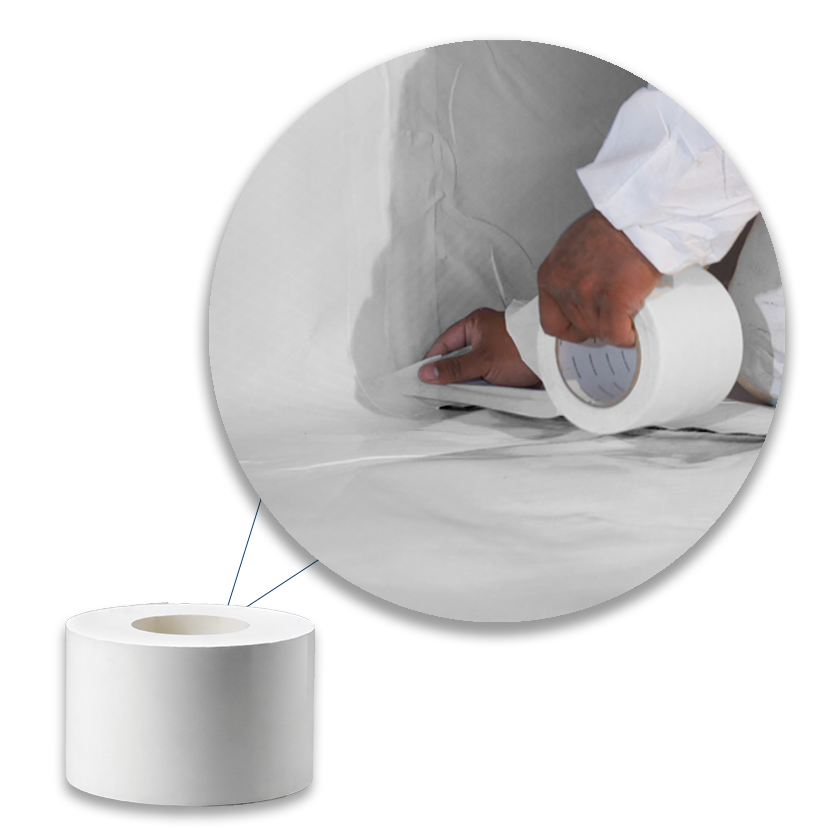 |
Vapor Tape | Single-sided, durable adhesive tape for seaming and securing overlaps. Aggressive bond on clean surfaces. Prevents moisture intrusion and maintains barrier integrity. | Shop → |
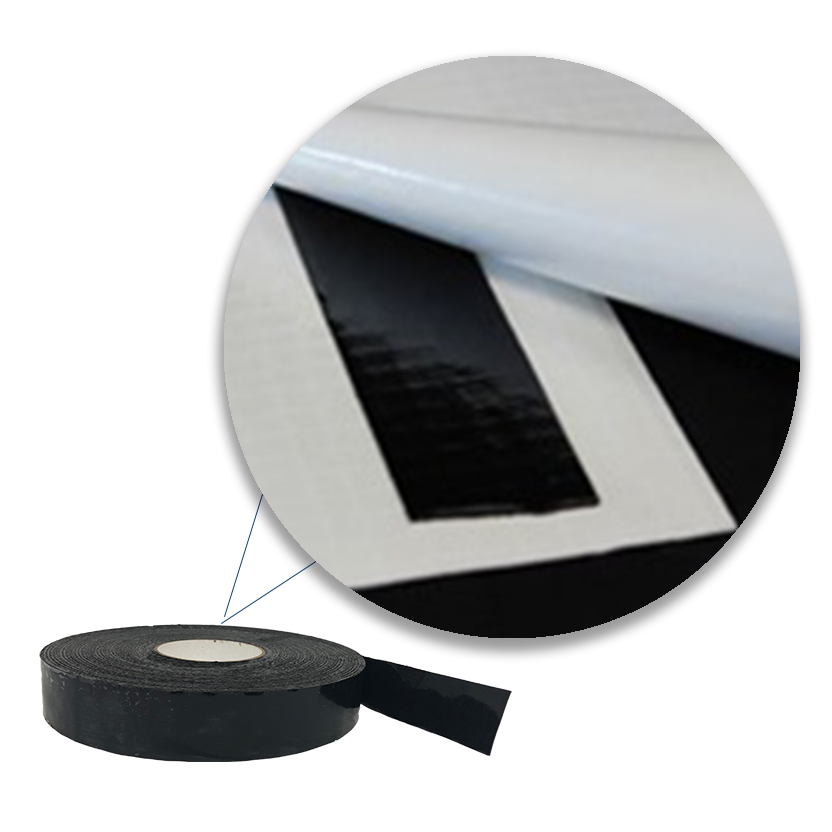 |
2-Sided Butyl Tape | Watertight, flexible seal between vapor barriers and foundation walls, piers, or footings. Double-sided adhesive grips both surfaces. Ideal for challenging conditions. | Shop → |
🛠️ Pro crawl space vapor barrier installation tip: Use Vapor Tape for seaming overlapping panels, and 2-Sided Butyl Tape where the barrier meets walls, piers, or footings. Using both ensures complete coverage at every vulnerable point in the installation.
Find the Right Crawl Space Vapor Barrier with Americover
Not sure which vapor barrier is right for your project? Our team is here to help. We offer special pricing, volume discounts, short lead times, and a dedicated account manager who works with you to get exactly what you need.
📞 Call our vapor barrier experts at 760-388-6294
🌐 Or fill out the form below to speak with a representative.