
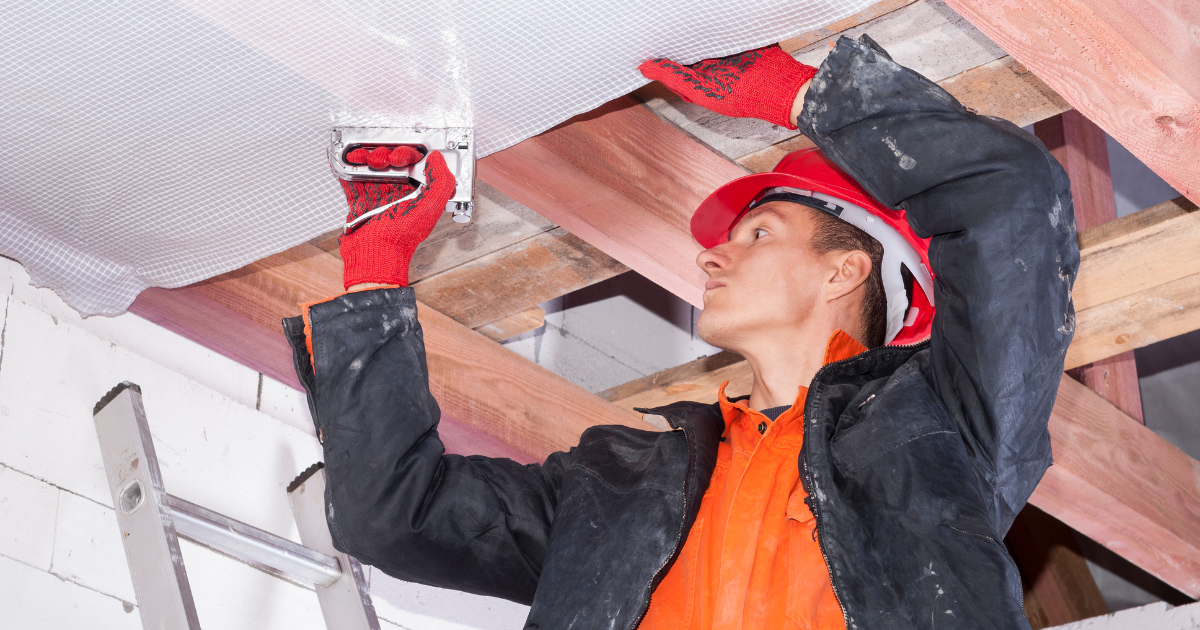
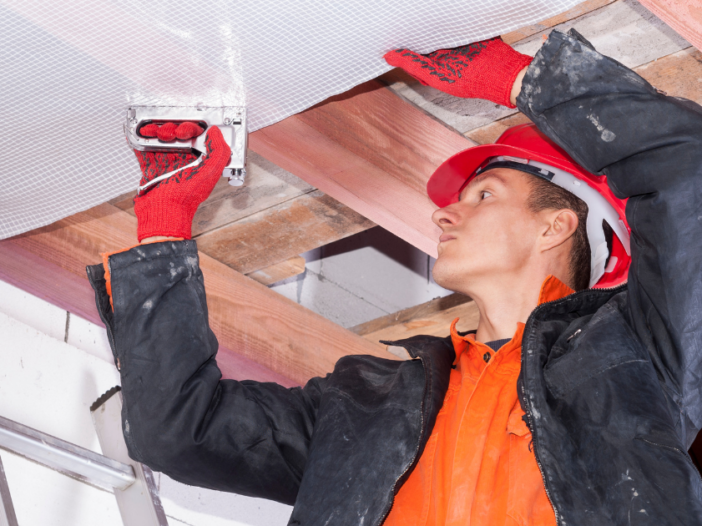
Insulation and vapor barrier plastic often work together—but not always in the way contractors expect. In some cases, combining them incorrectly can trap moisture and create bigger problems. At the same time, leaving insulation exposed creates serious risks.
Exposed insulation can release airborne fibers, collect dust, and increase fire risk—especially in ceilings, basements, and commercial spaces. The right insulation cover protects both the building and the people inside it.
⚠️ Important: Covering insulation incorrectly can trap moisture and lead to mold or material breakdown. Always match your insulation cover to your climate, assembly type, and local code requirements.
💡 Pro Tip: Most building codes reference vapor control requirements based on climate zone. In many cases, the wrong vapor barrier placement causes more issues than no barrier at all.
What Is the Difference Between Vapor Barrier Plastic and Insulation?
Insulation controls heat flow through the building envelope. It keeps heat inside during winter and outside during summer. This improves energy efficiency and stabilizes indoor temperatures.
A vapor barrier controls moisture movement. It prevents water vapor from passing through walls, ceilings, and floors. Without proper moisture control, condensation can form inside assemblies. This leads to mold, rot, and indoor air quality issues.
📘 Building Code Reference: The International Residential Code (IRC) and International Building Code (IBC) both require vapor retarders in certain climate zones and wall assemblies. Requirements vary based on temperature, humidity, and wall design.
Some insulation products include built-in vapor retarders. For example, closed-cell spray foam at sufficient thickness can act as both insulation and a vapor retarder. However, most fiberglass and batt insulation require a separate insulation cover or vapor barrier.
Insulation materials are typically thick and fibrous. Common types include fiberglass, mineral wool, and foam. Vapor barriers, by contrast, are thin plastic sheets—usually polyethylene starting at 6 mil thickness.
Should You Cover Insulation Before Drywall?
In many cases, yes—you should install an insulation cover or vapor barrier before drywall. This step helps control moisture and protects the building assembly.
However, placement matters. Installing a vapor barrier on the wrong side of the wall can trap moisture. This issue is common in mixed or humid climates.
⚠️ Code Reminder: Vapor barrier placement depends on climate zone. In cold climates, install it on the warm side of insulation. In hot, humid climates, improper placement can trap moisture inside the wall.
Always check local building codes or consult a building professional before installation. Requirements vary by region and application.
Why Use an Insulation Cover?
An insulation cover does more than protect insulation—it improves safety, durability, and performance.
| Benefit | Why It Matters |
|---|---|
| Moisture Control | Prevents condensation buildup that leads to mold and structural damage. |
| Air Quality | Reduces airborne fibers and dust from exposed insulation. |
| Fire Safety | Helps limit flame spread when using fire-retardant materials that meet standards like NFPA 701. |
| Durability | Protects insulation from damage during construction and long-term use. |
In commercial and industrial settings, insulation covers are often required to meet safety and cleanliness standards—especially in warehouses, data centers, and healthcare environments.
Best Insulation Cover Options
The best insulation cover depends on your application, environment, and code requirements. Reinforced polyethylene products offer durability and moisture resistance for most jobsite conditions.
Here are a few options from our insulation cover collection:
Pro Crawl Anti-Mold Vapor Barrier with MPT™ meets ASTM E1745 and ASTM G21 standards. It resists moisture vapor and fungal growth, making it ideal for crawl spaces and enclosed areas.
Pro Crawl Barrier is a 10 mil Class 1 vapor barrier designed for low permeability and strong moisture protection.
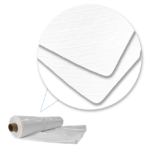
6 mil White Dura-Skrim® Reinforced Plastic Sheeting provides added strength and tear resistance for both indoor and outdoor applications.
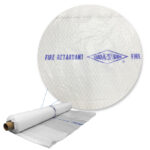
Dura Skrim® Fire Retardant Reinforced Plastic Sheeting offers durability and flame performance for projects requiring fire-retardant materials.
💡 Need help choosing? Our team can help you match the right insulation cover to your application, climate, and code requirements.
See Also: Vapor Barrier 101: What Not To Do
Trusted by Builders, Growers, and Distributors
Americover supplies contractor-grade plastic sheeting and insulation cover solutions for construction, agriculture, and industrial applications. Our American-made products deliver consistent performance and reliable supply.
Our team helps you find the right solution for your project. We answer questions, review specs, and support your order from start to finish.
📞 Call us at 760-388-6294 or contact us online to get started.