
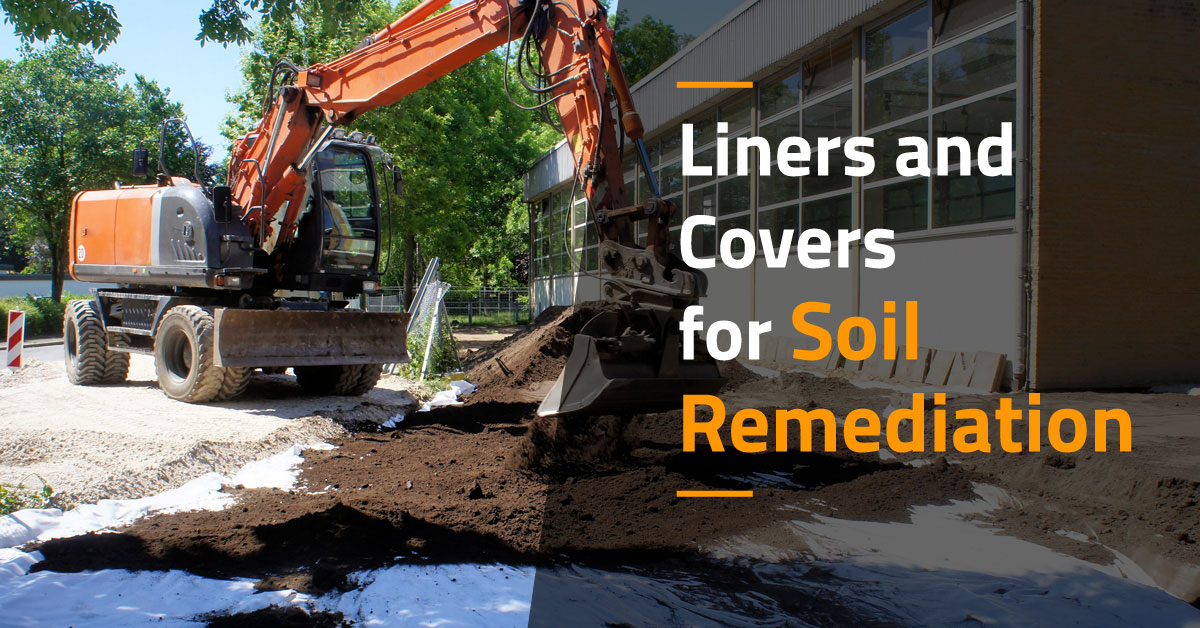
Excavation and site development projects often uncover contaminated soil. In many cases, contamination is the reason the excavation starts in the first place.
Because harmful chemicals and waste can spread quickly, you need the right liner or cover in place. These materials help stop contaminants from reaching groundwater or escaping into the air. As a result, you reduce risk, stay compliant, and avoid more expensive remediation later.
Americover supplies heavy-duty soil remediation liners, excavation covers, and custom-fabricated containment materials for environmental projects of all sizes.
Most products are available as prefabricated panels to reduce seams and speed up installation. Call 760-756-2142 or email inquiries@americover.com.
What Are Soil Remediation Covers Used For?
Soil remediation covers isolate contaminated soil, control runoff, and reduce pollutant migration. In addition, they help protect crews and surrounding environments during excavation or storage.
Depending on the project, contractors use these materials for temporary containment, long-term liners, landfill caps, pond liners, and secondary containment. However, each application requires a different level of durability and chemical resistance.
For example, if your project also includes vapor control, you may need a vapor barrier system. Likewise, under-slab applications often require a high-performance underslab vapor barrier to prevent moisture intrusion.
Compare Soil Remediation and Excavation Cover Options
To simplify your decision, use the table below to compare materials, thickness ranges, and best-use cases.
| Product | Thickness | Best For | Key Advantage | Shop |
|---|---|---|---|---|
| HDPE Geomembrane | 12–100 mil | Landfills, ponds, containment | Maximum durability | Shop → |
| LLDPE Geomembrane | 6–40 mil | Flexible containment | Better flexibility | Shop → |
| Woven Coated Poly | Various | Remediation, oil & gas | High tear resistance | Shop → |
| HydraFlex™ | 20–40 mil | Large projects | Fast installation | Shop → |
| PVC Liner | 20–60 mil | Water containment | UV + chemical resistant | Shop → |
| EPDM | 45–60 mil | Long-term containment | Long lifespan | Shop → |
| RUFCO® 300 | — | Fumigation, vapor | Extreme temp range | Shop → |
| Polypropylene | Various | Water + tanks | Cold flexibility | Shop → |
Therefore, you should match the material to your chemical exposure, installation conditions, and required lifespan.
Choosing the Right Thickness
Thickness plays a major role in performance. Thicker liners resist punctures better, while thinner materials improve flexibility and reduce cost.
However, choosing the wrong thickness can lead to early failure. For example, many contractors compare lighter materials to heavier options like 20 mil barriers. If you want a deeper breakdown, read our guide on
6 mil vs 20 mil vapor barriers.
In addition, crawl space applications often require different materials altogether. You can explore those systems here:
crawl space vapor barriers.
Support Products for Remediation Projects
Most projects also require additional materials to complete the system. For example, you may need:
- Geotextile underlayment to protect liners
- Wedge welders for seaming
Frequently Asked Questions
What is a soil remediation liner?
A soil remediation liner isolates contaminated soil and helps prevent pollutants from spreading. As a result, it protects groundwater and surrounding environments.
Which liner should I use?
It depends on your project. For example, HDPE works well for durability, while LLDPE offers more flexibility. Therefore, you should evaluate your conditions before selecting a material.
Can liners be custom fabricated?
Yes. In fact, prefabricated panels often reduce seams, improve performance, and speed up installation.
Talk to a Product Specialist
Every project has different requirements. Because of that, our team helps you select the right material based on your application, timeline, and budget.
Call 760-756-2142 or email inquiries@americover.com to get started.