Sticky Mat Tacky Mats
$142.71
(Shipping included for all online orders within the continguous U.S.)
Sticky Mats™ Refill Pack for Construction Sites
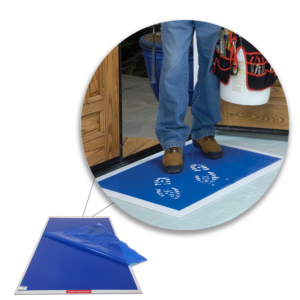
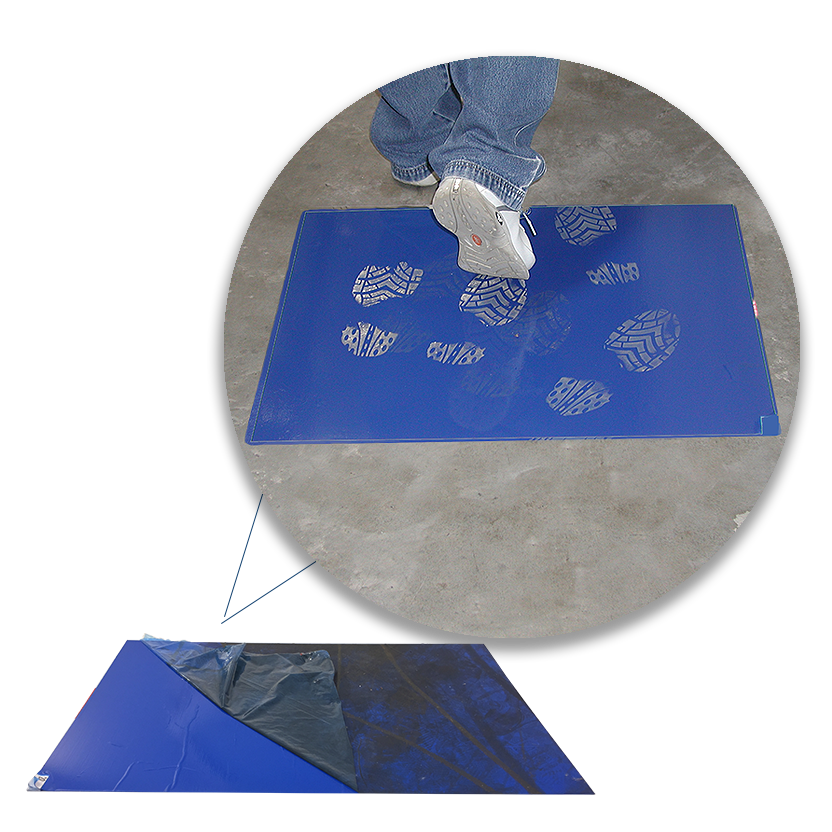
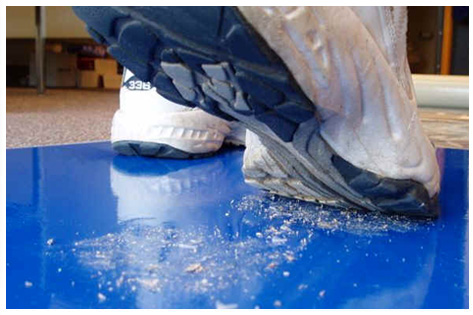
Keep entry points clean and controlled. Sticky Mats™ trap dust, dirt, and debris from boots and carts before it spreads through your jobsite.
-
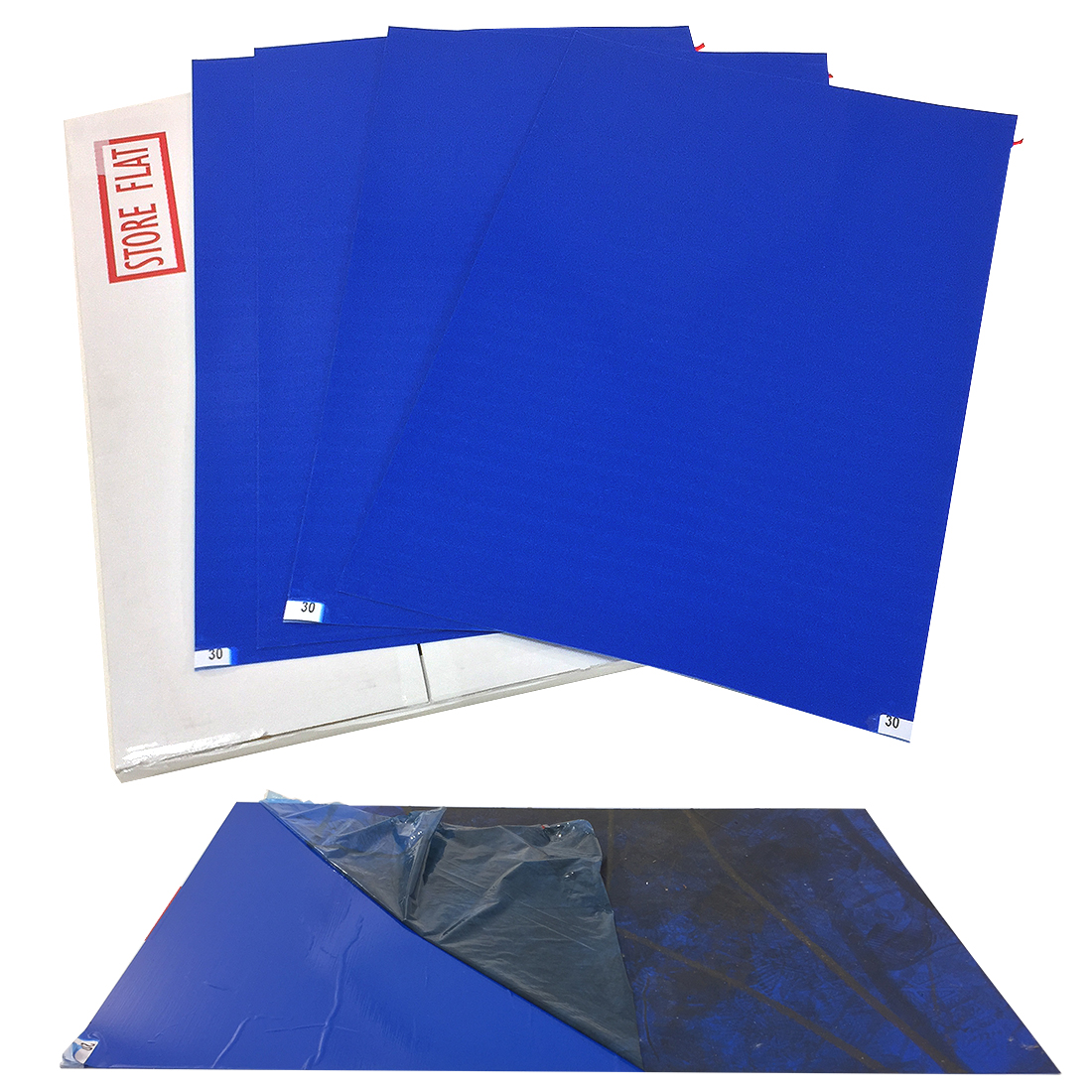
Includes four 30-sheet adhesive mats (120 total sheets)
-
Numbered tabs for quick, no-guess replacements
-
Heavy-duty 2 mil film stands up to jobsite traffic
-
Non-transferring adhesive captures debris without residue
-
Designed for use with standard Sticky Mats™ trays
 This product is American-made
Description
Technical Data
Applications
Sticky Mats™ Refill Pack – Advanced Dust and Debris Control for Construction and Clean Environments
The Sticky Mats™ Refill Pack delivers continuous contamination control at every entryway, containment zone, and sensitive area on the jobsite. Each refill pack includes four 30-sheet adhesive mats — 120 peel-away layers total — designed to capture dust, dirt, and debris from boots and wheels before they track contamination into clean or finished spaces. Manufactured in the USA from low-density polyethylene film with a water-based acrylic/rubber adhesive, Sticky Mats™ are the dependable tacky mat solution contractors, abatement crews, and facility managers reach for when cleanliness isn’t optional.
💡 First time using Sticky Mats™? Start with the Sticky Mats™ Starter Kit, which includes the non-slip tray plus your first mat pad — then reorder this refill pack to keep every entry point protected.
Features and Benefits
30-Layer Peel-Away Design for Continuous Capture
Each adhesive mat in the refill pack contains 30 individually numbered, peel-away sheets. When the top layer becomes loaded with drywall dust, concrete grit, sawdust, or silica particles, simply peel it off to expose a clean, fully tacky surface underneath. No tools, no cleanup, no downtime. The numbered tabs make it easy to track usage and know exactly when to reorder.
High-Tack Adhesive That Captures What Other Mats Miss
The adhesive sheets are constructed from 1.8 mil LDPE film coated with a water-based acrylic/rubber compound — no solvents used. Adhesion to shoe soles measures 14.0–16.2 oz/in², delivering the high-tack grab needed to pull construction debris, fine dust, and grit off boot soles and equipment wheels in a single pass. The adhesive is non-transferring, so it won’t leave residue on footwear.
Aggressive Floor-Lock Base
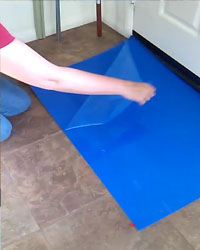
The bottom of every Sticky Mat™ pad uses a more aggressive double-coated 5 mil LDPE backing with adhesion of 17.0–17.4 oz/in² to hold the mat firmly in place. Installation takes seconds: peel the bottom release liner and press the mat into position. The mat locks down on tile, concrete, and finished surfaces without shifting, curling, or bunching underfoot — especially when used with the Sticky Mats™ Starter Kit tray.
Refill Pack Format — 4 Pads, 120 Layers Total
The refill pack contains four complete 30-sheet mats in the standard 24″ x 36″ footprint. Deploy multiple pads across high-traffic entryways, containment barriers, and equipment staging areas simultaneously. When one location runs low, rotate in a fresh pad without interrupting workflow. This format is purpose-built for contractors managing multi-entry jobsites and extended project timelines.
USA-Manufactured with Consistent Quality
Sticky Mats™ are made in the United States, which means tighter quality control, shorter lead times, and no exposure to the adhesive variability and import delays common with overseas tacky mat alternatives. Every pad ships with predictable tack strength, consistent film thickness, and reliable peel performance from the first sheet to the last.
✅ Ideal for: General contractors, abatement and remediation crews, hospital and healthcare facility renovation teams, cleanroom and laboratory managers, warehouse and distribution center supervisors, and any professional where shoe and wheel contamination control is non-negotiable.
Why Contamination Control at the Entry Point Matters
Most jobsite contamination doesn’t travel through the air first — it walks in on boots. A single pass through drywall dust, silica grit, or mortar residue loads the soles of work boots with enough particulate to contaminate an entire floor of finished surfaces or a sealed containment zone. Tacky mats placed at every entry point intercept that contamination before it spreads, protecting indoor air quality, finished flooring, and sensitive equipment.
Contamination control at the exit point is a regulatory requirement in abatement and remediation environments, especially in hospital renovations, where it directly affects patient safety. In cleanroom and laboratory settings, a single tracked-in particle can compromise test integrity. Sticky Mats™ address all of these scenarios with one consistent, proven format — peel-away adhesive layers that restore full capture efficiency in seconds.
For broader dust containment strategies on the jobsite, see our plastic sheeting for dust containment systems guide for product selection guidance across barriers, enclosures, and floor protection applications.
| Feature | Benefit |
|---|---|
| 30 numbered peel-away layers | Restores full tack in seconds — no tools, no cleanup, no workflow interruption. |
| 1.8 mil LDPE adhesive sheet | Durable enough to withstand heavy boot traffic without tearing or bunching. |
| Water-based, solvent-free adhesive | Safe for use in occupied facilities, healthcare settings, and enclosed containment zones. |
| 5 mil double-coated backing | Locks the mat to the floor aggressively so it stays flat under constant foot and wheel traffic. |
| 4 pads per refill pack (120 layers) | Covers multiple entry points simultaneously without requiring frequent reorders mid-project. |
| USA-manufactured | Consistent adhesive performance, reliable lead times, and no import supply risk. |
💰 Lower cost per layer than most single-pad tacky mat alternatives. Buying in the four-pack refill format reduces per-layer cost and eliminates the risk of running out mid-project when your supply chain can’t deliver same-day.
Common Applications
- Construction and renovation entryways — prevent drywall dust, concrete grit, sawdust, and mortar residue from tracking into finished areas
- Abatement and remediation containment zones — control hazardous material exit points including asbestos, lead, and mold remediation work areas
- Hospital and healthcare facility construction — meet ICRA (Infection Control Risk Assessment) protocols by capturing particulate at every access point
- Cleanrooms and laboratories — maintain ISO-level cleanliness standards at entries and transitions between zones
- Warehouse and distribution centers — reduce floor contamination from forklift wheels and foot traffic in high-volume facilities
- Data centers and server rooms — protect sensitive equipment environments from particulate infiltration during maintenance or buildout
- Paint and coating booths — prevent paint chips, overspray fallout, and surface grit from re-entering the spray environment
- Pharmaceutical manufacturing facilities — support GMP contamination control requirements at controlled-area entries
🌑 Setting up a full dust containment system? Sticky Mats™ work at the entry point — for barrier and enclosure sheeting that controls contamination at the source, read our plastic sheeting for dust containment systems guide to select the right film for walls, ceilings, and floor protection.
Frequently Asked Questions
What is the difference between the Sticky Mats™ Refill Pack and the Sticky Mats™ Starter Kit?
The Sticky Mats™ Starter Kit includes the non-slip tray and your first adhesive mat pad. The Refill Pack contains four replacement pads (120 layers total) for use with that tray. If you already have a tray, order the refill pack. If you’re setting up a new entry point from scratch, start with the Starter Kit.
How many layers does each Sticky Mat™ pad contain?
Each pad contains 30 individually numbered peel-away adhesive sheets. The refill pack includes four pads, giving you 120 total layers per pack.
Will the adhesive damage my floors or leave residue?
The adhesive is water-based and solvent-free with a non-transferring formulation. It is designed to release cleanly from most hard floor surfaces, including tile, polished concrete, and finished hardwood, when used as directed. For unusually sensitive or freshly coated surfaces, test a corner of one sheet before full installation.
What types of contaminants do Sticky Mats™ capture?
Sticky Mats™ effectively capture drywall dust, concrete grit, sawdust, silica dust, mortar residue, paint chips, gravel fragments, and general jobsite particulate from boot soles and equipment wheels. This is precisely the reason they are used across construction, abatement, cleanroom, and healthcare environments.
Can Sticky Mats™ be used without the tray?
The mats can be applied directly to the floor using the aggressive bottom adhesive layer, but using them with the Sticky Mats™ Starter Kit tray is strongly recommended. The tray’s non-slip base prevents shifting and curling on smooth surfaces, extends the usable life of the mat, and makes peel-off layer removal cleaner and faster.
How do I know when to peel a layer?
The adhesive sheets are numbered so you can track usage at a glance. Peel when the top layer is visibly loaded with debris or when tack noticeably decreases underfoot. In high-traffic abatement or construction environments, some crews peel on a timed schedule — every shift or every half-day — regardless of visible soiling.
⚠️ Pro tip for multi-entry jobsites: Place one pad at every active entry point and designate a single person per shift to do a quick tack check. A degraded mat that no one peels defeats the entire contamination control system.
Are Sticky Mats™ suitable for ICRA-compliant hospital renovation projects?
Yes. Sticky Mats™ are widely used on hospital construction and renovation projects where Infection Control Risk Assessment (ICRA) protocols require contamination control at every containment zone entry and exit point. Their water-based, solvent-free adhesive makes them appropriate for occupied healthcare facilities. Always verify project-specific ICRA requirements with your infection control officer.
How do I dispose of used Sticky Mat™ layers?
Peel each used sheet and dispose of it per your project’s waste management plan. In standard construction environments, used sheets go into general jobsite waste. In abatement or remediation projects where captured particulate may be classified as hazardous waste, follow applicable EPA and state disposal regulations for contaminated materials.
Questions about quantity pricing or project-specific needs? Contact the Americover team at 800-747-6095 or sales@americover.com, Monday–Friday, 7:30 AM–4:30 PM PST.
{
“@context”: “https://schema.org”,
“@type”: “FAQPage”,
“mainEntity”: [
{
“@type”: “Question”,
“name”: “What is the difference between the Sticky Mats™ Refill Pack and the Sticky Mats™ Starter Kit?”,
“acceptedAnswer”: {
“@type”: “Answer”,
“text”: “The Sticky Mats™ Starter Kit includes the non-slip tray and your first adhesive mat pad. The Refill Pack contains four replacement pads (120 layers total) for use with that tray. If you already have a tray, order the refill pack. If you’re setting up a new entry point from scratch, start with the Starter Kit.”
}
},
{
“@type”: “Question”,
“name”: “How many layers does each Sticky Mat™ pad contain?”,
“acceptedAnswer”: {
“@type”: “Answer”,
“text”: “Each pad contains 30 individually numbered peel-away adhesive sheets. The refill pack includes four pads, giving you 120 total layers per pack.”
}
},
{
“@type”: “Question”,
“name”: “Will the adhesive damage my floors or leave residue?”,
“acceptedAnswer”: {
“@type”: “Answer”,
“text”: “The adhesive is water-based and solvent-free with a non-transferring formulation. It is designed to release cleanly from most hard floor surfaces including tile, polished concrete, and finished hardwood when used as directed. For unusually sensitive or freshly coated surfaces, test a corner of one sheet before full installation.”
}
},
{
“@type”: “Question”,
“name”: “What types of contaminants do Sticky Mats™ capture?”,
“acceptedAnswer”: {
“@type”: “Answer”,
“text”: “Sticky Mats™ effectively capture drywall dust, concrete grit, sawdust, silica dust, mortar residue, paint chips, gravel fragments, and general jobsite particulate from boot soles and equipment wheels. They are used across construction, abatement, cleanroom, and healthcare environments for precisely this reason.”
}
},
{
“@type”: “Question”,
“name”: “Can Sticky Mats™ be used without the tray?”,
“acceptedAnswer”: {
“@type”: “Answer”,
“text”: “The mats can be applied directly to the floor using the aggressive bottom adhesive layer, but using them with the Sticky Mats™ Starter Kit tray is strongly recommended. The tray’s non-slip base prevents shifting and curling on smooth surfaces, extends the usable life of the mat, and makes peel-off layer removal cleaner and faster.”
}
},
{
“@type”: “Question”,
“name”: “How do I know when to peel a layer?”,
“acceptedAnswer”: {
“@type”: “Answer”,
“text”: “The adhesive sheets are numbered so you can track usage at a glance. Peel when the top layer is visibly loaded with debris or when tack noticeably decreases underfoot. In high-traffic abatement or construction environments, some crews peel on a timed schedule — every shift or every half-day — regardless of visible soiling.”
}
},
{
“@type”: “Question”,
“name”: “Are Sticky Mats™ suitable for ICRA-compliant hospital renovation projects?”,
“acceptedAnswer”: {
“@type”: “Answer”,
“text”: “Yes. Sticky Mats™ are widely used on hospital construction and renovation projects where Infection Control Risk Assessment (ICRA) protocols require contamination control at every containment zone entry and exit point. Their water-based, solvent-free adhesive makes them appropriate for occupied healthcare facilities. Always verify project-specific ICRA requirements with your infection control officer.”
}
},
{
“@type”: “Question”,
“name”: “How do I dispose of used Sticky Mat™ layers?”,
“acceptedAnswer”: {
“@type”: “Answer”,
“text”: “Peel each used sheet and dispose of it per your project’s waste management plan. In standard construction environments, used sheets go into general jobsite waste. In abatement or remediation projects where captured particulate may be classified as hazardous waste, follow applicable EPA and state disposal regulations for contaminated materials.”
}
}
]
}
Color
Size
Product Data Sheets
Applications
- Sticky Mats
- Builds
- Containment
- Carpet Protection
- Containment Barrier
- Demolition Containment
- Dust Containment
- Flooring Protection
- Jobsite Protection
- Temporary Containment
- Safety
- Solid Surface Protection
- Surface Protection