Pro Crawl Anti-Mold Vapor Barrier with MPT™
$395.82
(Shipping included for all online orders within the continguous U.S.)
Pro Crawl™ Anti-Mold Vapor Barrier is a 10-mil Class A vapor retarder engineered with built-in antimicrobial protection to resist mold, mildew, and odor in crawl space environments. Its 0.022 perm rating and reinforced construction deliver long-term moisture control and cleaner, fresher conditions. Backed by independent testing, it’s a reliable choice for contractors specifying high-performance vapor barriers.
- Exceeds ASTM E1745 Class A, B, and C standards for superior moisture transmission resistance.
- Passes ASTM G21 fungal resistance testing to actively inhibit mold and mildew growth.
- Available in 10′ x 100′ rolls, in stock and ready to ship.
 This product is American-made
Description
Technical Data
Applications
Pro Crawl™ Anti-Mold Vapor Barrier with Mold Prevention Technology (MPT™)
10-mil Class 1 vapor control with embedded Mold Prevention Technology — exceeds ASTM E1745, passes ASTM G21 fungal resistance testing.
Pro Crawl™ Anti-Mold (PCB-MPT) is a multilayer extruded polyolefin vapor barrier that exceeds ASTM E1745 Class A, B, and C requirements with a vapor permeance of 0.0228 perms. Mold Prevention Technology (MPT™) is integrated directly into the film during extrusion — not applied as a surface coating — so it remains active through installation, handling, and the full service life of the barrier. The film passes ASTM G21 fungal resistance testing and is rated non-nutritive to fungal growth on the product surface. Professionals who need documented vapor control plus a barrier that resists microbial degradation at the material level rely on Pro Crawl™ Anti-Mold across crawl space, underslab, wall liner, and post-remediation applications.
💡 Certified Class 1 performance with added protection built into the material. Pro Crawl™ Anti-Mold exceeds ASTM E1745 Class A, B, and C — the classification now required by updated IRC crawl space codes — while carrying an ASTM G21-tested surface rating for fungal resistance. It installs the same way as a standard vapor barrier. No change to tools, workflow, or seaming technique is required.
Features and Benefits
Multilayer Polyolefin Construction — Consistent from First Foot to Last
Pro Crawl™ Anti-Mold is extruded in multiple layers from virgin polyolefin-based resins — not recycled or blended material. This manufacturing method produces a dense, consistent film with uniform tensile strength and puncture resistance across the entire roll. Recycled or regrind polyethylene introduces contaminants and inconsistencies that create weak zones; virgin polyolefin construction eliminates that risk entirely.
At 10 mil, this barrier delivers 61 lbs of tensile strength (ASTM E154) and 3,210 grams of puncture resistance (ASTM D1709, Method B). It holds up over rough gravel, concrete debris, and construction foot traffic without tearing during installation. Chemical resistance is confirmed unaffected under ASTM 154 testing, so the material performs reliably in contact with soil, concrete, and common jobsite conditions for the life of the installation.
Mold Prevention Technology (MPT™) — Embedded, Not Coated
MPT™ is integrated into the polyolefin matrix during manufacturing. Because the antimicrobial agent is part of the film rather than a surface treatment, it stays active through installation, foot traffic, overlap sealing, and long-term service in enclosed spaces. No separate activation step is required, and there is no surface finish to protect during handling.
The film passes ASTM G21 fungal resistance testing and is rated non-nutritive to fungal growth on the product surface. Tested fungal species — including those responsible for black mold — do not find the film material a viable food source. As a result, the barrier surface resists microbial colonization and degradation over time. MPT™ is designed to protect the barrier film itself; it does not replace proper site preparation, and it is not intended to protect users or others from disease-causing microorganisms.
Exceptional Vapor Permeance: 0.0228 Perms
At 0.0228 perms (ASTM F1249), Pro Crawl™ Anti-Mold exceeds the Class A threshold of 0.1 perms by more than 4x. This low permeance rating restricts vapor migration even in high-humidity climates where ground vapor pressure is elevated. For projects in coastal zones, the Southeast, Gulf Coast, and Pacific Northwest — where ground moisture is a chronic concern — that extra margin of protection is a meaningful advantage over barriers that only meet the minimum threshold.
White Reflective Surface for Faster Inspections
The white finish reflects light throughout the crawl space, improving visibility during installation and at every follow-up inspection. Contractors working in tight crawl spaces consistently report that a bright white liner reduces the time needed for post-installation walkthroughs. The reflective surface also makes it easier to spot gaps, damage, or seam issues before sign-off — a practical advantage on projects with multiple inspectors or third-party verification requirements.
40-Inch Core for Efficient Logistics
Each 10′ x 100′ roll ships on a 40-inch core, designed for compact freight. The narrower core reduces shipping costs and simplifies handling in tight delivery areas. At 56 lbs per roll, the material is manageable for a single installer carrying rolls into confined crawl spaces.
✅ Ideal for: crawl space encapsulation contractors, post-remediation restoration professionals, home builders in high-humidity climates, commercial construction teams, manufactured home installers, and inspectors specifying Class 1 vapor retarders with documented fungal resistance testing.
Why Vapor Barrier Specification Matters on High-Risk Projects
Not all 10-mil plastic sheeting qualifies as a vapor barrier. Building codes reference ASTM E1745, which sets specific performance requirements for tensile strength, puncture resistance, and vapor permeance. Meeting Class A, B, and C simultaneously is a higher bar than meeting just one class — and Pro Crawl™ Anti-Mold passes all three. That documented performance protects contractors from liability and gives inspectors a verifiable spec to reference at every project stage.
On post-remediation projects and in persistently humid environments, the film’s surface behavior also matters. Standard polyolefin vapor barriers carry vapor permeance test results but typically do not carry fungal resistance ratings. Pro Crawl™ Anti-Mold adds ASTM G21 testing to the spec sheet, confirming the film material is non-nutritive to fungal growth on the barrier surface. That distinction is meaningful for restoration contractors who must document each component of a post-remediation encapsulation system for inspection records or industrial hygienist sign-off.
| Feature | Benefit |
|---|---|
| Virgin Polyolefin Multilayer Extrusion | Eliminates weak spots common in recycled or blended materials, delivering consistent performance across the entire roll. |
| ASTM E1745 Class A, B & C Certified | Exceeds updated IRC code requirements and provides inspectors with documented, third-party verified vapor retarder performance. |
| 0.0228 Perm Rating (ASTM F1249) | Restricts vapor transmission well below the 0.1 perm Class A threshold — a meaningful advantage in high-humidity and coastal climate zones. |
| Embedded MPT™ Technology | Protects the barrier film surface against fungal degradation without a separate treatment step or ongoing maintenance after installation. |
| ASTM G21 Non-Nutritive Rating | Gives restoration contractors a documentable fungal resistance test result for post-remediation project records and inspection sign-off. |
| 3,210g Puncture Resistance (ASTM D1709) | Holds up over rough gravel, debris, and installation foot traffic without tearing, reducing the callbacks that come from compromised barrier sections. |
⚠️ Generic poly sheeting is not a vapor barrier. Uncertified plastic film may pass a visual inspection but still fail at vapor transmission — and that kind of failure only surfaces in callbacks, not during installation. Pro Crawl™ Anti-Mold ships with documented ASTM test data for every performance claim on the spec sheet. That documentation protects the job and the contractor who spec’d it.
Common Applications
Pro Crawl™ Anti-Mold Vapor Barrier suits construction and restoration applications where vapor control, surface durability, and documented fungal resistance are all part of the spec. The following are the primary deployment scenarios:
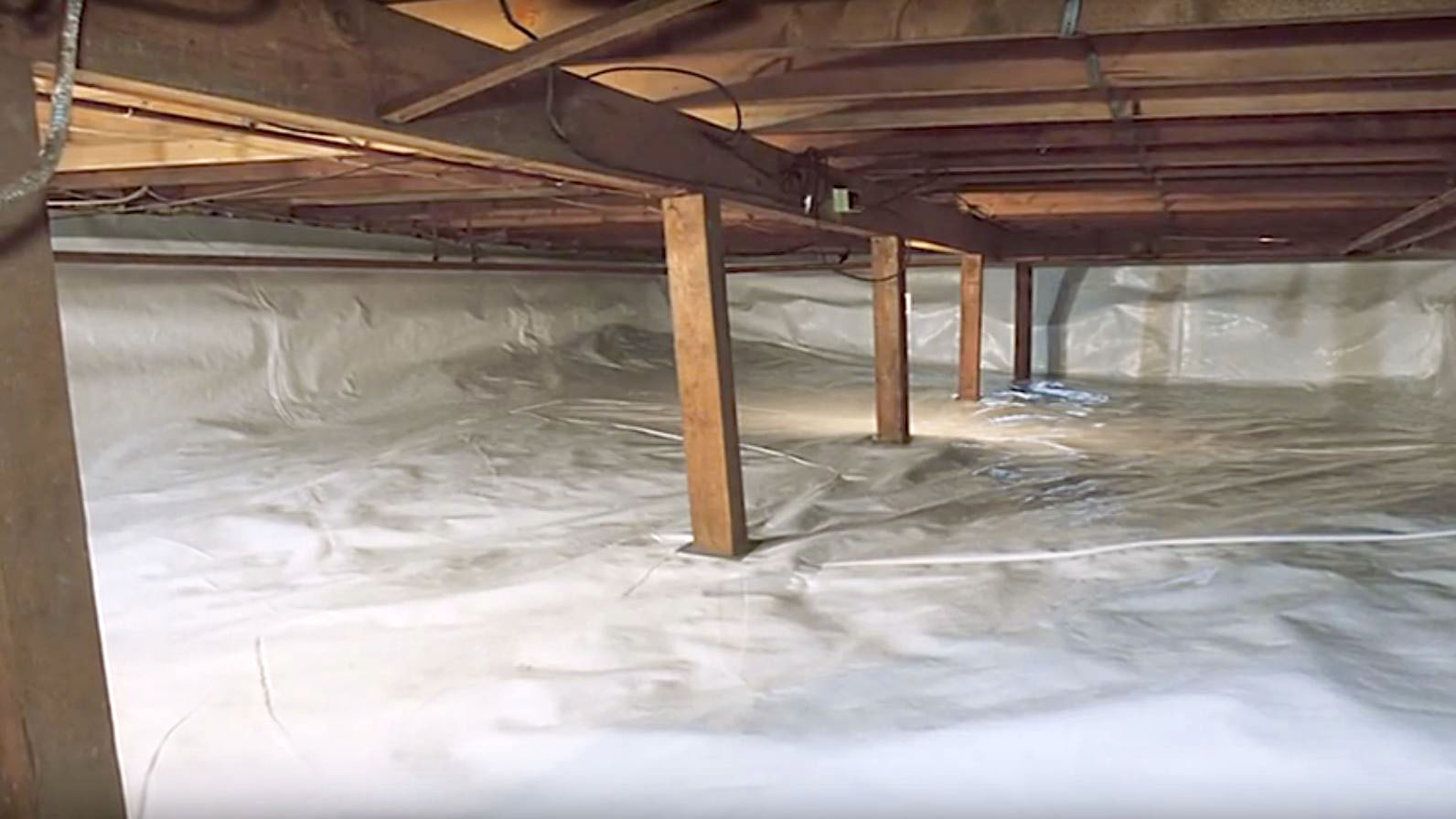
- Crawl space encapsulation — Ground-floor vapor control in residential and commercial buildings; install with the white side facing up per manufacturer guidance.
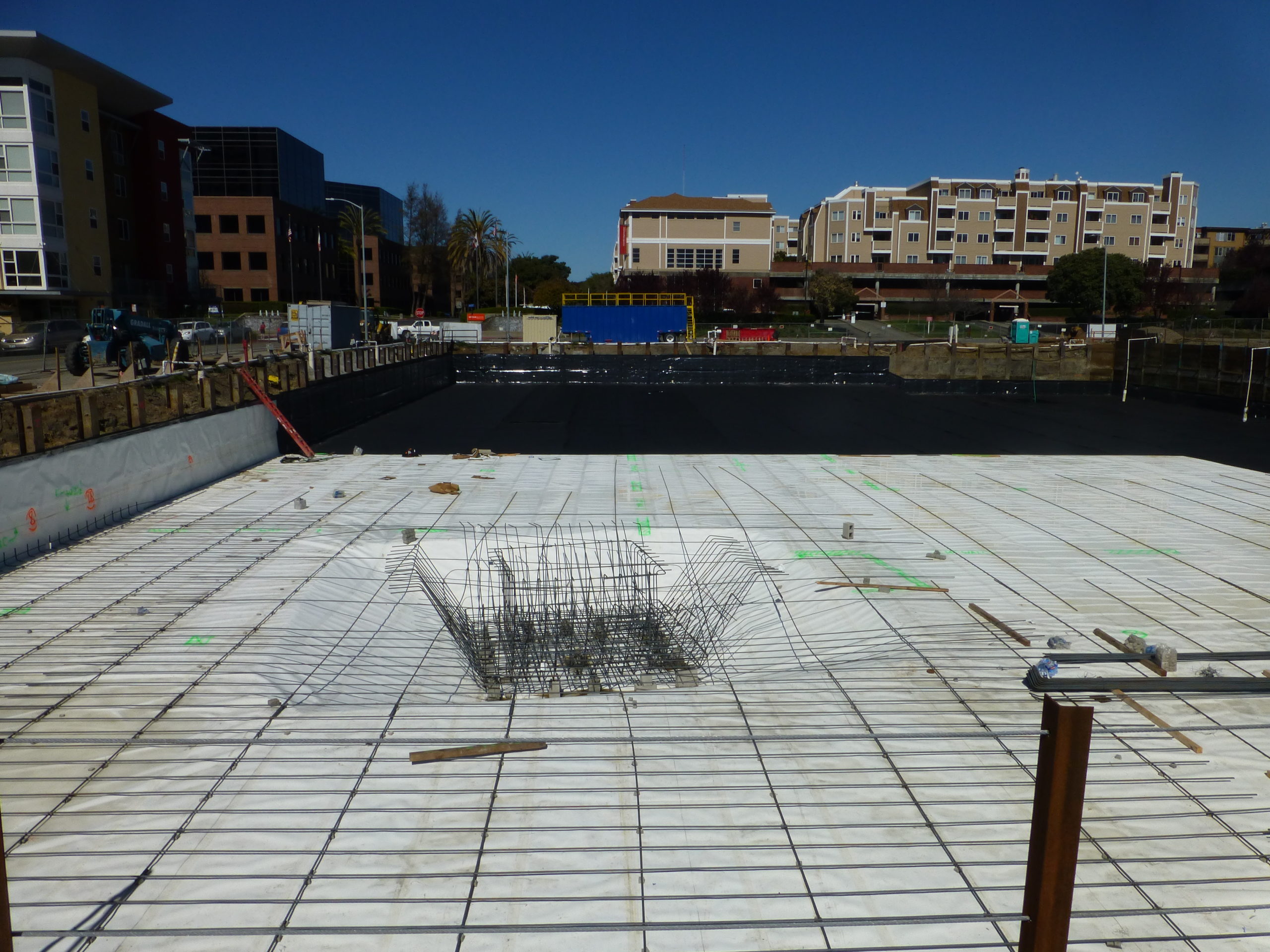
- Below-slab installation — Placed beneath concrete slabs-on-grade in new construction and addition projects to restrict moisture vapor migration through the slab assembly. Per Section R506.2.3 of the IRC, underslab vapor barriers must meet ASTM E1745 — Pro Crawl™ Anti-Mold exceeds Class A, B, and C.
- Basement and foundation wall lining — Applied to below-grade walls in climate zones where exterior soil moisture drives vapor into the building assembly; confirm placement with your project engineer based on local climate zone and wall assembly design.
- Post-remediation encapsulation — Specified by restoration contractors and industrial hygienists after crawl space mold remediation, where a fungal-resistant barrier surface is part of the documented remediation protocol. Active mold must be fully remediated before installation.
- Manufactured and mobile home underbelly replacement — Replaces deteriorated vapor barriers beneath manufactured homes, providing durable ground moisture control in tight underfloor spaces.
- Tiny home and modular construction — Ground vapor control in compact foundation assemblies where a lightweight, certified barrier is specified without sacrificing documented performance.
- Commercial building crawl spaces — Vapor control for light commercial structures with crawl space foundations, particularly in ASHRAE Climate Zones 1–5 where ground moisture loads are elevated.
- New construction in high-humidity regions — Coastal, Gulf Coast, Southeast, and Pacific Northwest projects where vapor pressure from saturated soil is elevated year-round and a below-Class-A-threshold perm rating is specified.
🌑 Need crawl space vapor barrier performance without MPT™? For standard encapsulation projects where ASTM E1745 Class 1 certification and high puncture resistance are the primary requirements, the Pro Crawl Barrier delivers the same Class 1 performance in the same 10′ x 100′ roll format. Browse our full crawl space vapor barrier resource page to compare all options by application and mil thickness.
For underslab applications, our underslab vapor barriers resource page covers installation guidance, code references, and product comparisons for below-slab projects. For wall and ceiling applications, visit our wall and ceiling vapor barriers resource page for climate-zone placement guidance. Questions about the right specification for your project? Call 833-261-6501 or email sales@americover.com.
Frequently Asked Questions
What is Mold Prevention Technology (MPT™) and how does it work?
MPT™ is an antimicrobial agent integrated into the polyolefin film during extrusion. Because it is part of the material rather than a surface coating, it remains active through installation, handling, seam taping, and long-term service in enclosed spaces. The film has been tested under ASTM G21, which evaluates how fungal species interact with plastic materials. Pro Crawl™ Anti-Mold passes this test and is rated non-nutritive to fungal growth on the barrier surface — meaning the film does not support colonization by the tested fungal species. This protection applies to the barrier film itself.
Does Pro Crawl™ Anti-Mold replace the need to remediate existing mold before installation?
No. Active mold growth and standing water must be fully addressed before installing any vapor barrier, including Pro Crawl™ Anti-Mold. Installing over contaminated substrates traps moisture and can accelerate conditions that damage structural materials. The correct sequence is: remediate existing mold, resolve all moisture sources, dry the space thoroughly, then install the barrier on a clean, dry substrate.
What ASTM standards does Pro Crawl™ Anti-Mold Vapor Barrier meet?
Pro Crawl™ Anti-Mold passes ASTM E1745 Class A, B, and C — the standard specification for plastic vapor retarders in contact with soil or granular fill under concrete slabs. Vapor permeance is 0.0228 perms (ASTM F1249), well below the 0.1 perm Class A threshold. Tensile strength is 61 lbs (ASTM E154). Puncture resistance is 3,210 grams (ASTM D1709, Method B). The film also passes ASTM G21 fungal resistance testing and is rated non-nutritive to fungal growth on the product surface.
⚠️ Always prep before you install. No vapor barrier replaces proper site preparation. Remediate active mold, correct standing water, and dry the space completely before laying the barrier. Installing over a compromised substrate defeats the purpose of the encapsulation system.
Can Pro Crawl™ Anti-Mold be used under concrete slabs and on basement walls, not just in crawl spaces?
Yes. The product is listed for underslab vapor barrier and wall vapor barrier applications in addition to crawl space encapsulation. At 0.0228 perms and 3,210 grams of puncture resistance, it meets the performance requirements for contact with soil or granular fill under concrete slabs per ASTM E1745. For below-grade wall applications, confirm placement with your project engineer based on local climate zone and wall assembly design.
How does a 0.0228 perm rating compare to standard vapor barrier code requirements?
ASTM E1745 Class A sets the permeance threshold at 0.1 perms or less. At 0.0228 perms, Pro Crawl™ Anti-Mold performs at more than 4x below that threshold. The 2021 IRC also recommends a minimum 10-mil vapor barrier under residential concrete slabs. A lower perm rating means greater restriction of moisture vapor migration — a meaningful advantage in high-humidity climates or applications where elevated ground vapor pressure is expected.
Does the white side face up or down during installation?
Install with the white side facing up — toward the crawl space interior — per manufacturer guidance. This orientation also maximizes the light-reflective benefit of the white surface, improving visibility during installation and at every inspection that follows.
How do I choose between Pro Crawl™ Anti-Mold and the standard Pro Crawl Barrier?
Both products deliver Class 1 vapor retarder performance (ASTM E1745 Class A, B, and C) at 10 mil thickness. The key difference is that Pro Crawl™ Anti-Mold adds embedded MPT™ technology and ASTM G21 fungal resistance testing, confirming the film surface is non-nutritive to fungal growth. Choose Pro Crawl™ Anti-Mold for post-remediation projects, high-humidity climates, or any job where a fungal-resistant barrier surface is part of the documented spec. Choose the standard Pro Crawl Barrier when vapor transmission control and puncture resistance are the primary requirements and MPT™ is not specified.
Color
Size
Thickness
Specification
Product Data Sheets
Applications
- Crawl Space Vapor Barriers
- Gas Mitigation Vapor Barriers
- Underslab Vapor Barriers